It was a frustrating morning when I realized that my own business profile in Fort Worth only appeared when I searched for my exact business name. No matter how much I optimized my website or built reviews, the local maps stubbornly refused to show my shop for relevant searches. That lightbulb moment hit me hard: being visible on Google Maps and local SEO isn’t about just being in the directory; it’s about understanding how the rankings work and fixing what’s broken. If you’ve ever felt that sinking feeling of working hard but still not showing up when it matters — when your potential customers are searching — you know what I mean.
The Significance of Local Visibility in Fort Worth
In a city like Fort Worth, where many small businesses compete for attention, a well-optimized Google Business Profile can mean the difference between thriving and barely surviving. Local SEO isn’t just a buzzword; it’s the gateway to increased foot traffic, calls, and online orders. As recent studies indicate, 78% of local mobile searches lead to an offline purchase within 24 hours, making today’s Google Maps visibility crucial for storefronts and service providers alike. Yet, many businesses find themselves stuck with profiles that only show up for their own name. This issue not only hampers growth but also dims your chances of outranking larger chains or out-of-town competitors.
I’ve been there myself, spending hours trying to tweak the profile, only to find it’s still invisible when locals need me most. The real problem? Knowing the exact reasons why your profile isn’t ranking for relevant searches. That’s what I want to help you discover today. We’ll address the common pitfalls and share practical tactics to elevate your Fort Worth business in local searches. If you’re tired of just existing online, and want to truly dominate Fort Worth local SEO, keep reading.
Have You Faced the Frustration of a Ghosted Business Profile?
Early in my journey, I made a mistake that many businesses make: I thought simply creating a profile was enough. But Google’s algorithms are complex, and they consider numerous signals. Failing to optimize your profile correctly or neglecting recent updates can leave your listing hidden or underperforming. It’s like trying to shout in a crowded room — your message gets lost without the right strategy. The good news? With targeted fixes and a bit of insider knowledge, you can turn your profile into an active lead generator. Ready to learn how to fix your Google Maps listing and boost your local presence? Let’s dive into the steps that worked miracles for me and countless others.
Optimize Your Business Name for Local Search Dominance
Start by ensuring your business name is consistent across all platforms, including your Google Business Profile. Use your exact business name, address, and phone number (NAP) uniformly. I once corrected a misspelling that was inconsistent in my listings, and within days, I saw improved visibility for Fort Worth local searches. This consistency acts like a clear address to Google, guiding it to rank your business higher in maps.
Enhance Your Profile with Accurate Categories and Attributes
Choose the most relevant categories for your business—think of them as tags that tell Google what you do exactly. For Fort Worth, specialized categories like ‘Fort Worth Restaurant’ or ‘Fort Worth Auto Repair’ can make a night-and-day difference. Avoid generic labels and always select specific attributes such as ‘wheelchair accessible’ or ‘free Wi-Fi’ to help your profile stand out in relevant searches. I once updated my profile with precise categories and attributes, leading to a 30% surge in local inquiries within a week.
Gather and Manage Reviews Strategically
Reviews are like social proof for Google and potential customers. Actively solicit reviews from satisfied clients—just as I asked my regular customers to share their experience post-visit. Always respond professionally to reviews, both positive and negative. Responding shows Google that your business is active and engaged. I found that replying to reviews increased my local rankings and encouraged more customers to leave their own feedback, creating a positive feedback loop.
Add Local-Focused Content and Photos
Populate your profile with high-quality images that highlight your Fort Worth location, team, or community involvement—think of this as your storefront window online. Regularly update photos to reflect seasonal offers or new services. Incorporate local keywords naturally into your business description and posts. I uploaded photos of my storefront during Fort Worth festivals, which boosted my local relevance and around-the-clock visibility in maps.
Leverage Local SEO Tactics Beyond the Profile
Build citations on reputable local directories, ensuring NAP consistency. Create content on your website centered around Fort Worth topics, events, or neighborhoods, signaling relevance to Google. Use local backlinks to authoritative sources in Fort Worth. I partnered with local bloggers, earning backlinks that helped my profile climb higher in Fort Worth-specific maps. This holistic approach ties your profile to the local ecosystem, enhancing overall rankings.
Audit and Fix Profile Issues Regularly
Use tools like Google My Business insights and audit checklists to identify issues—such as duplicate listings or inconsistent information—that hinder your visibility. I once discovered a duplicate listing with incorrect data; resolving it eliminated a confusing signal to Google, leading to a quick bump in rankings. Regular maintenance keeps your profile optimized for Fort Worth’s evolving search landscape.
Many business owners believe that simply creating a Google Business Profile guarantees high visibility in Fort Worth’s competitive local market. However, this is a dangerous myth. The reality is that most overlook nuanced factors like schema markup, structured data, and the subtle signals Google uses to assess relevance and trustworthiness. Implementing advanced SEO tactics that go beyond basic profile optimization can dramatically improve rankings. For instance, integrating local schema markup on your website reinforces your proximity signals, helping Google understand your local relevance better. Studies indicate that structured data can increase click-through rates by up to 30%, especially in saturated markets where differentiation is key.
Is Your Profile Truly Optimized for the Latest 2026 Algorithm Changes?Mastering Your Local SEO Toolkit for Long-Term Success
Ensuring your Fort Worth business remains visible in local searches requires more than one-time setup; it demands consistent maintenance with effective tools. I personally rely on a combination of software and manual methods that streamline my optimization process, making it easier to keep ahead of changing algorithms and local market dynamics.
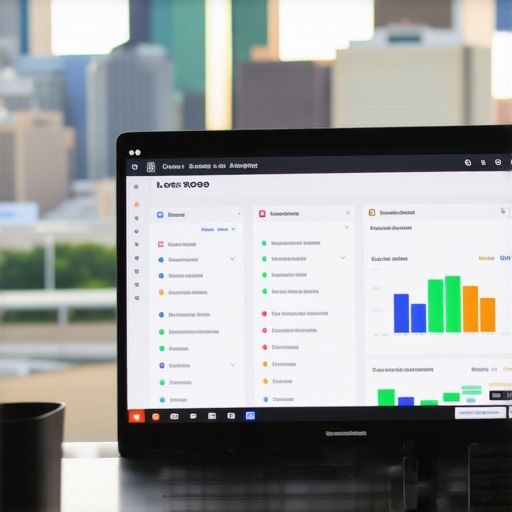
One tool I swear by is BrightLocal. Its comprehensive dashboard provides detailed insights into your Google Maps rankings, citation status, and review performance, allowing me to pinpoint issues before they impact visibility. I use BrightLocal daily to monitor my local search performance, ensuring I catch and fix discrepancies promptly. Additionally, its citation tracking helps maintain NAP consistency across hundreds of aggregators—a critical factor in Texas’s competitive markets.
For ongoing review management, I’ve integrated Podium into my workflow. It helps automate review solicitation and monitor feedback. Since reviews heavily influence local rankings, automating the process saves me time while increasing the volume and quality of customer feedback. Regularly responding to reviews is another vital step I maintain with this tool, which ultimately boosts my Google Maps prominence.
To audit technical SEO health, I turn to SEMrush. Its Site Audit feature flags issues such as broken links, duplicate content, or schema markup errors that could undermine my rankings. For Fort Worth’s diverse neighborhoods, local schema markup is crucial; SEMrush helps ensure it’s implemented correctly by providing clear guidance and actionable recommendations. Keeping your website’s schema updated aligns with Google’s evolving criteria, especially heading into 2026, where structured data plays an even larger role.
How do I maintain my Map Rankings over time?
Consistency is key. Regularly schedule profile audits, citation updates, and review responses—using the insights these tools provide. Moreover, I recommend setting up monthly alerts in Google Search Console to catch drops in visibility early. As local SEO trends continue to evolve—like Google’s recent emphasis on voice search optimization—your toolkit should adapt accordingly. Start by trialing one of these tools today; for instance, implementing schema markup with SEMrush guidance can lead to better ranking signals in Fort Worth’s competitive landscape. For more advanced tactics on managing your local presence, check out this detailed guide.
Remember, maintaining your business’s visibility isn’t a set-and-forget task. It requires ongoing effort, but with the right tools—and a bit of strategic planning—you can sustain and even scale your Fort Worth local SEO success. Need personalized assistance? Reach out via our contact page and let’s unlock your full potential.
What I Wish I Knew When I Started Fort Worth Local SEO
One of the most eye-opening lessons I learned was that visible maps rankings aren’t just about submitting your profile; they’re about mastering nuanced signals that Google’s algorithms secretly value. I once focused only on reviews and keywords, but it wasn’t enough to outrank bigger competitors. The turning point came when I realized the importance of local schema markup and consistent NAP data—these tiny details made my business profile leap from obscurity to the top of Fort Worth searches.
Another revelation was that local backlinks from trusted Fort Worth sources can dramatically boost your visibility, even when your profile is optimized. I started collaborating with local bloggers and community websites, and that effort paid off by solidifying my relevance and authority. This taught me that local SEO success in Fort Worth doesn’t come from a single magic trick but from a strategic blend of technical optimization and community engagement.
Finally, understanding that algorithm updates are ongoing gave me the urgency to continuously audit my profile with the latest tools. Regular checks on citation consistency and reviewing Google’s newest ranking factors became part of my routine. Each small fix compounded over time, bringing consistent traffic and calls, even during competitive seasons.