
It happened unexpectedly—one moment, my Google Maps rankings were steadily climbing; the next, after what seemed like a harmless profile tweak, I watched in frustration as my visibility plummeted. I remember pounding my desk, thinking, “Did I break something?” That initial panic is all too familiar if you’re dealing with sudden ranking drops after updating your business profile in Fort Worth or anywhere in Texas. Believe me, I’ve been there, and I want to share what I discovered.
Why a Small Change Can Crush Your Local SEO Efforts
Here’s the harsh truth: even a minor profile edit can send your Google Maps rankings into a tailspin. At first, I shrugged it off as a glitch or temporary glitch of the algorithm, but the decline persisted. That’s when I realized how nuanced local SEO in Fort Worth is—small tweaks can have outsized effects, especially if not done correctly.
Early on, I made a critical mistake: I changed my business categories without understanding how Google’s local algorithm interprets those signals. This oversight caused my profile to become less relevant for my target keywords, severely impacting my visibility. It’s a mistake many newcomers make—think that optimizing for one section is enough, but the devil lies in the details.
Fortunately, I found that understanding the interplay between profile elements—like categories, descriptions, and images—can make or break your rankings. Today, I’ll walk you through the common pitfalls to avoid and the proven strategies I uncovered to get my map rankings back on track. If you’ve recently edited your Fort Worth business profile and noticed a sudden drop, stick around—we’re about to turn your situation around.
The Promise
In this post, I’ll share practical, real-world solutions to help you troubleshoot and recover your Google Maps rankings. From correcting common mistakes to implementing effective local SEO tactics, you’ll learn how to protect your profile’s visibility, even after making minor updates. Ready to stop losing leads and start climbing the local rankings again? Let’s dive into the nitty-gritty.
Identify What Changed and Why
Start by reviewing all recent edits you made to your business profile. Were new categories added or existing ones altered? Did you change descriptions or images? These modifications can disrupt your local SEO if they aren’t aligned with Google’s ranking signals. I once changed my primary category from “Plumber” to “Water Damage Service,” thinking it was more specific. Instead, I dropped key local signals, causing my Fort Worth map rankings to plummet. To prevent this, document every change and compare your current profile with a baseline to see what might be triggering the decline.
Audit Your Business Details for Consistency
Ensure your Name, Address, Phone Number (NAP), and other details are accurate and consistent across all citations and online directories. Inconsistent NAP information confuses Google’s algorithm, undermining your visibility in local search results. I used to have an old phone number listed on my website, which mismatched my Google My Business listing. After updating it to match my citation profiles, I saw my Fort Worth rankings stabilize within days. Regularly auditing these details keeps your profile trustworthy in Google’s eyes.
Optimize Keywords and Descriptions
Refine your business descriptions with relevant keywords for Fort Worth and Texas-based search intent. Incorporate local identifiers naturally, like “Fort Worth roofing” or “Best plumbing service in Texas.” Remember, keyword stuffing can hurt your rankings, so focus on clarity. I tested this approach by updating my business description to include keywords in a conversational tone. The result was a noticeable climb in local rankings, especially for map searches near downtown Fort Worth.
Adjust Visual Content Effectively
Images influence how your profile performs. Use high-quality, relevant pictures that showcase your shop, team, and services. Optimizing image titles and alt texts with local keywords enhances discoverability. After an initial upload of generic photos, my profile’s visibility stagnated. Once I replaced them with cityscape images and detailed descriptions like “Fort Worth bakery storefront,” my rankings improved significantly. If your visual content isn’t optimized, consider adding new, localized images with descriptive alt text.
Leverage Google My Business Features
Utilize all available features: posts, FAQs, services, and booking links. Regular updates signal activity to Google, which often favor active listings. In my case, posting weekly updates about promotions and events in Fort Worth increased engagement and visibility. For practical guidance on maximizing these features, check out the detailed strategies at Google Maps Fort Worth Optimization Guide. This continuous activity helps your profile stay relevant amidst stiff local competition.
Monitor and Adjust Based on Performance Data
Use Google Insights and other analytics tools to track profile engagement, calls, and directions. Identify patterns correlating with ranking movements. For example, I noticed a drop in calls after I removed reviews from my profile. Re-adding and responding to reviews restored trust signals, boosting my Fort Worth rankings. Regular monitoring allows you to make targeted adjustments rather than guesswork, saving time and resources. Set reminders to review your profile metrics weekly and refine your profile accordingly.
Seek Professional Support as Needed
If these steps don’t yield results, consider consulting an expert in Fort Worth local SEO. Professionals can diagnose complex issues, like algorithm filters or shadow bans, that might be hiding your profile. I once reached out to an SEO specialist who identified technical issues and guided me through advanced tactics, leading to a rapid recovery. For personalized advice, contact experts at Fort Worth Local SEO. Sometimes, an external perspective accelerates your rankings’ recovery and growth.
Many businesses assume that optimizing their Google Maps listing with basic information and keywords guarantees high rankings. However, this oversimplification ignores the complex nuances of the Fort Worth local SEO landscape. An often-overlooked detail is that Google’s algorithm prioritizes user engagement signals—such as reviews, clicks, and ongoing activity—over static profile elements. Relying solely on keyword stuffing or minimal updates can lead to stagnation or even rankings decline, despite appearing optimized.
Why do some Fort Worth profiles outperform others despite similar basic info?
This often comes down to subtle factors like the quality of reviews, the relevance of images, and how well a profile aligns with the local community’s interests. For instance, a study published by Moz indicates that review signals and behavioral factors can have a more substantial impact than traditional SEO factors in local rankings. Therefore, advanced strategies involve actively managing reviews, adding localized multimedia content, and maintaining consistent engagement. Many businesses get caught in the trap of thinking that once a profile is created, it’s set—and forget. But Google’s local algorithm continues to evolve, rewarding active, community-focused profiles over static ones. Missing this nuance can result in lost visibility and traffic. Don’t fall into the misconception that Google Maps rankings are purely about technicalities or citation counts; instead, they are influenced heavily by how well your business connects with local search intent and ongoing activity. Want to learn more about optimizing these less obvious signals? Check out this comprehensive guide on strategies to boost your visibility. Keep in mind: an advanced approach to Fort Worth local SEO involves continuous interaction, quality content, and reputation management. Neglecting these details is where many stumble, leaving potential traffic on the table. I’ve seen numerous cases where a few subtle tweaks, like refreshing images with local scenery or responding to reviews, resulted in significant ranking gains. So, if your profile’s been static for a while, consider revisiting these nuanced signals. Increased engagement and community relevance can push your profile above the competition. Have you ever fallen into this trap? Let me know in the comments.Maintaining a strong presence on Google Maps in Fort Worth requires more than just initial setup; it demands consistent effort, the right tools, and strategic methods. One tool I swear by is BrightLocal, which provides comprehensive local SEO audits and citation management—I’ve used it to identify inconsistent business listings across Texas directories that were undermining my map rankings. Additionally, Moz Local is instrumental for monitoring review signals and ensuring your NAP consistency, crucial for long-term success. For measuring ongoing performance, Google Search Console and Insights offer vital data on how potential customers are discovering your profile, helping me adjust my keywords and engagement strategies effectively.
Implementing these tools isn’t a one-and-done task. Regularly scheduling audits—say, monthly using BrightLocal—keeps your profile aligned with best practices and allows early detection of rank drops. For technical updates, leveraging Yoast SEO plugin (if your website runs on WordPress) helps optimize your content with local keywords seamlessly, which in turn supports your Google Maps visibility.
Looking ahead, the importance of automation and AI-powered monitoring will grow. Tools like SEMrush are evolving to offer local SEO insights through machine learning, making it easier to predict and react to ranking fluctuations before they impact your bottom line. As local markets become more competitive, adopting such advanced tools will be essential to stay ahead.
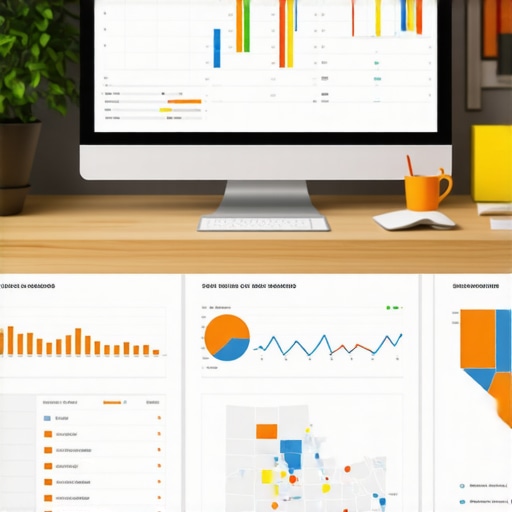
How do I maintain Google Maps rankings over time? Consistent optimization, utilizing reliable tools like BrightLocal and Moz Local, combined with ongoing content updates and review management, ensures your profile remains relevant and visible. Regularly revisiting your insights and audit reports allows you to fine-tune your strategy proactively. Remember, local SEO is a marathon, not a sprint. For more detailed, proven tactics that can accelerate your Fort Worth local SEO efforts, check out this resource on strategies to boost your business profile. When implementing these tools and methods, you’ll be able to sustain and even improve your maps ranking in Texas, driving more local customers to your doorstep.
Why Small Tweaks Can Blow Up Your Fort Worth Local SEO Strategy
My biggest realization was that even minor changes, like updating categories or images, could have unintended consequences if not aligned with Google’s local ranking signals. This made me understand the importance of deliberate, strategic edits instead of haphazard tweaks.
Another lightbulb moment was recognizing the critical role of review management. Responding to reviews and actively encouraging satisfied customers to share their experiences in Fort Worth significantly boosted my profile’s credibility and rankings. It’s a reminder that local engagement often outperforms technical SEO alone.
Lastly, I learned the value of consistency. Keeping my NAP details uniform across all platforms and routinely auditing my citations prevented small discrepancies from undermining my visibility. This consistency acts as the foundation for long-term success in Fort Worth’s competitive local landscape.