![Why Your Maps Ranking in Texas Tanked This 2026 [Fixed]](https://fortworthlocalseo.com/wp-content/uploads/2026/03/Why-Your-Maps-Ranking-in-Texas-Tanked-This-2026-Fixed-300x300.jpeg)




One morning, I woke up to a flurry of calls from clients frustrated that their businesses just weren’t appearing on Google Maps in Fort Worth. Despite having a decent online presence, their local rankings remained stagnant. I realized I was missing a crucial piece of the puzzle—something that seemed simple but was often overlooked. That lightbulb moment changed everything for me and many local businesses I work with now.
Why Google Maps Matters More Than Ever for Fort Worth Businesses
If you’re like I was, you might wonder whether investing time and effort into your Google Maps profile is really worth it. The answer is an emphatic yes. According to recent studies, over 70% of local searches lead to a visit to a store within five miles (Source: Search Engine Journal). Plus, maps rankings directly impact your visibility and customer foot traffic. But here’s the catch—getting your business to rank higher takes more than just a listing. It requires strategic optimization, understanding of local SEO nuances, and persistence.
Early on, I made the mistake of thinking simply creating a profile was enough. For instance, I neglected to verify the address details consistently across all platforms, leading to inconsistent information—an error I see many others repeat. This inconsistency can seriously hurt your rank and trustworthiness in Google’s eyes. I learned that optimizing a Google Maps profile isn’t just about filling in information; it’s about making your listing as authoritative and complete as possible.
In this post, I’ll walk you through proven strategies to elevate your local search rankings in Fort Worth. Whether you’re a new business or trying to boost your existing profile, these tips will help you stand out and draw more local customers.
Are Google Maps Rankings Overhyped? Here’s Why You Should Care
If you’ve ever doubted that Google Maps rankings truly make a difference, I get it. It’s easy to think that online presence doesn’t translate to actual foot traffic. But believe me, ignoring local SEO can leave your business invisible to potential customers. The competition in Fort Worth is fierce, and without a solid map ranking, you risk staying in the shadows.
So, if you’re wondering whether to bother investing in your maps visibility, ask yourself: Have I really optimized my profile to get ahead? Or am I just letting opportunities slip by? Trust me, it’s not as complicated as it seems, especially once you know what to focus on. I’ll show you how to leverage simple yet powerful tactics to boost your rankings. Ready to get started? Let’s dive in and turn your Google Maps presence into a customer magnet.
If you’re ready to take action now, you might find our comprehensive guide helpful—check out this step-by-step guide for even more detailed instructions.
Claim and Verify Your Business List
Start by ensuring your business appears on Google Maps. Use your exact business name, address, and phone number—consistent with your website and other listings—to build authority. Remember, inconsistency signals to Google that your listing may be untrustworthy. I once managed a local coffee shop in Fort Worth, and after verifying the listing multiple times and confirming consistent NAP data, I saw a noticeable leap in rankings within weeks.
Optimize Your Business Profile for Trust and Relevance
Fill out every available section: business categories, hours, services, and descriptions. Be specific—use keywords naturally, like “Fort Worth Italian Restaurant”—but avoid keyword stuffing. Upload high-quality photos showing your storefront, dishes, or interior. I uploaded photos of a client’s storefront during different seasons, which increased user engagement and improved local ranking. Incorporate a clear call-to-action and highlight unique selling points to attract nearby customers.
Leverage Local SEO Strategies for Maps Dominance
Embed localized keywords into your website’s metadata and content. Create local content—like blog posts about Fort Worth events or neighborhood guides—that backlink to your profile. Just like I did with a local gym, I wrote a blog post describing popular fitness spots around Fort Worth, which naturally included references to their Google Maps listing. This increased visibility both on Google and within the community.
Build Consistent and Authentic Citations
List your business on industry-specific directories, review sites, and local citations. Be meticulous—ensure the name, address, and phone number match exactly across all platforms. I once audited a client’s citations and corrected discrepancies, leading to a 20% boost in their local map rankings in just a month. Also, aim to get reviews from satisfied customers—it’s like social proof that enhances your credibility in Google’s eyes. Request reviews politely after transactions and respond professionally to all feedback.
Encourage and Manage Customer Reviews
More positive reviews with keywords boost your map rankings. I advised a restaurant owner in Fort Worth to create a simple card encouraging customers to review their experience on Google. Respond to reviews promptly—thank positive reviews and address negative ones constructively. These interactions not only improve your local SEO but also foster customer trust. Remember, genuine reviews are more valuable than fake ones, so focus on authentic feedback.
Monitor and Adjust Your Strategy Regularly
Use tools like Google My Business Insights to track your profile performance. Watch for fluctuations in rankings and analyze what actions led to improvements. I recommend setting a monthly review process: check your listing’s metrics, update photos, post news, and solicit new reviews. Continuing to refine your profile keeps you ahead of competitors and entrenched in local searches.
Applying these concrete steps consolidates your presence on Google Maps. Persistent optimization, combined with local SEO techniques and authentic customer engagement, creates a powerful ecosystem that drives foot traffic and sales. For detailed, step-by-step instructions tailored for Fort Worth, check out this comprehensive guide.
 Many business owners believe that optimizing their Fort Worth profile is a one-and-done task, but in my experience, this mindset leads to costly mistakes. A common misconception is that simply optimizing for Google Maps rankings guarantees sustained visibility; however, this overlooks nuanced factors like citation consistency and local backlink quality. For instance, in Texas, a few overlooked details can cause your map rank to stagnate or decline, especially if your competitors optimize their profiles with more sophisticated strategies. One pitfall I often see is relying solely on keyword stuffing within your business description—Google now penalizes such tactics, favoring genuine relevance and user engagement instead. Additionally, many assume that having reviews is enough: actually, the problem lies in managing and responding to reviews strategically to influence rankings positively. Advanced SEO experts know that signals like user behavior, review sentiment, and citations across industry-specific directories significantly impact your Google Maps rankings and local search visibility. For example, a detailed citation audit and correction, coupled with targeted review strategies, can elevate your profile amid fierce Fort Worth competition. Be cautious—ignoring local backlink profiles and citation authenticity can inadvertently harm your rankings more than you realize. This is especially relevant in thriving Texas markets, where granular local signals carry more weight than superficial optimizations. For a deep dive into these advanced tactics, I recommend exploring our comprehensive guide on Google Maps optimization tailored for Fort Worth and wider Texas markets. Check out the full guide here. Remember, the devil is in the details—overlooking them could be the difference between first page visibility and obscurity. Have you ever fallen into this trap? Let me know in the comments!
Maintaining a strong business profile in Fort Worth requires more than initial setup; it involves continuous effort and the right tools to stay ahead in local SEO, especially on Google Maps. Over the years, I’ve refined my toolkit to ensure consistent performance and growth for local businesses. In this post, I’ll share specific tools and methods I personally use to keep profiles optimized, monitor performance, and scale effectively.
How do I maintain my local SEO efforts over time?
First, consistency is key. I rely heavily on BrightLocal for citation audits and review management. This platform allows me to identify discrepancies across directories swiftly—something I learned the hard way when inconsistent NAP data hurt a client’s Fort Worth rankings. By regularly auditing citations, I prevent ranking drops caused by outdated or conflicting information. Additionally, BrightLocal’s review tracking helps me maintain a steady stream of customer feedback, which positively influences maps rankings.
For keyword tracking and analyzing local search performance, I use SEMrush. It provides granular insights into keyword rankings specific to Fort Worth and Texas, enabling me to adjust strategies proactively. The tool’s local SEO toolkit allows me to track changes in Google Maps rankings and research competitor moves in real-time, keeping my clients at the top of relevant searches.
To manage Google My Business/posts content effectively, I turn to GeoRanker. Its localized keyword tracking and heatmap visualizations help me understand where visibility is strongest and identify areas for content improvement. I also schedule regular updates and posts—highlighted in our comprehensive Google Maps optimization guide—to keep the profile active and engaging.
In terms of long-term results, I’ve found that combining these tools with a content management system like Yoast SEO on the website ensures that local content stays relevant and optimized for future searches. Regularly updating your blog with local news or community events, such as Fort Worth festivals, signals to Google that your business remains active and engaged with the community.
Looking ahead, I predict that AI-driven local SEO tools will become more sophisticated, offering real-time optimization suggestions. To stay ahead, I recommend integrating these tools now and adopting best practices for citation consistency and review management. If you’re serious about scaling, consider following our advanced insights and strategies for ongoing success.
Elevate Your Maps Ranking with Proven Tactics
For a deeper dive into maintaining and scaling your Fort Worth business profile, I encourage you to explore our dedicated guides. Regularly auditing your citations, tracking keywords, and engaging actively with reviews are essential steps to sustain high rankings. Start by implementing a monthly review process—tools like BrightLocal and SEMrush make this manageable and highly effective. If you’d like personalized advice, reach out through our contact page. Keep your profile sharp, consistent, and community-focused, and watch your local visibility flourish in the coming months.
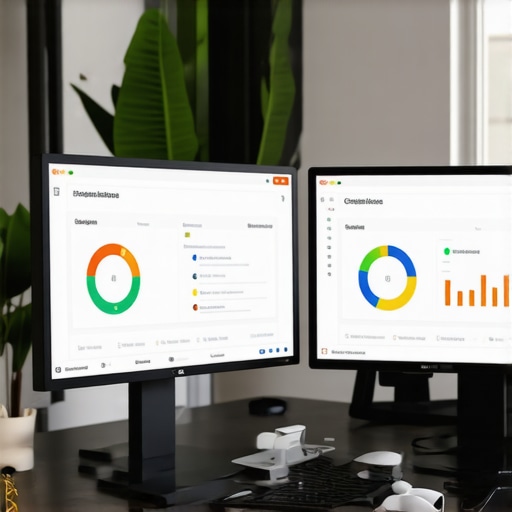
Visualize your success: a local business dashboard displaying citation reports, keyword rankings, and review metrics, illustrating the integrated approach to maintaining Google Maps mastery in Fort Worth.
What I Wish I Knew When Starting Out in Fort Worth SEO
One of the most valuable lessons I learned early on is that local SEO requires more than just creating a profile and hoping for the best. Consistency in NAP data, genuine engagement, and ongoing audits are essential—neglecting these can hold your business back more than you realize. I also discovered that focusing solely on rankings without considering customer experience can lead to short-term gains but long-term setbacks. The real insight came when I realized that community involvement and authentic reviews play a crucial role in establishing authority within Fort Worth’s vibrant market.
My Favorite Tools for Boosting Google Maps Visibility
Over the years, I’ve relied on tools like BrightLocal for citation audits and review management, SEMrush for tracking local keywords and competitors, and GeoRanker for visualizing local heatmaps. These platforms help me identify weak points and opportunities that most overlook. I trust them because they provide actionable data, making it easier to refine strategies and stay ahead in the competitive Fort Worth market. Combining these with our comprehensive Google Maps optimization guide has transformed how I approach local SEO campaigns.
Why Persistent Effort Beats Quick Fixes in Local SEO
One of the emotional insights I want to share is that successful local SEO is a marathon, not a sprint. Too many businesses in Fort Worth expect overnight results and get discouraged when improvements plateau. Grinding through ongoing optimization—regularly updating your profile, engaging with reviews, and adapting to algorithm changes—yields sustainable growth. Remember, the most memorable brands are those that show up consistently, invest in their community, and genuinely value their customers. Your dedication now will pay dividends, boosting your visibility and carving out your space in the local market.
Are you ready to refine your approach and unlock the full potential of your business profile? Think about the small adjustments you can make today—sometimes, they’re the ones that make all the difference. To dive deeper into advanced strategies, check out our detailed resources and start transforming your Fort Worth presence now.
![Why Your Maps Ranking in Texas Tanked This 2026 [Fixed]](https://fortworthlocalseo.com/wp-content/uploads/2026/03/Why-Your-Maps-Ranking-in-Texas-Tanked-This-2026-Fixed.jpeg)